
"inspection standard"
600 article(s) found

Brief introduction of Grinding scale by description of Taste and Flavor in Coffee Farm area of Ethiopia
Grade of Ethiopian coffee: Ethiopian washed coffee Yega Chuefei G1 G2 Sidamo (Yirgacheffe, Sidamo) has the highest grades 2 and 3 (G2, G3), while sun-processed coffee in eastern Ethiopia is mostly grade 4 or 5 (G4, G5). In many cases, level 4 coffee is marked as level 5 in order to reduce taxes. At present, the classification is not uniform and there are

Flavor description of Ethiopian Yejia Snow Coffee beans introduction of varieties produced by taste treatment
Flavor description of Ethiopian Yega Coffee beans Coffee is the most important export cash crop and the main source of foreign exchange income in Ethiopia. Ethiopia's coffee exports account for about 3% of the world market, making it the eighth largest coffee exporter in the world. Coffee exports increased steadily from 58000 tons in 1990 to 1995-1996.

Characteristics of grinding degree of Ethiopian coffee introduction of high-quality coffee beans
Coffee is Ethiopia's most important export cash crop and the main source of Ethiopia's foreign exchange earnings. Ethiopia's coffee exports account for about 3% of the world market, making it the eighth largest coffee exporter in the world. Coffee exports increased steadily from 58000 tons in 1990 to 110000 tons in 1995-1996 and remained at this level in the following years. 2001-2002

Introduction to the Coffee Flavor description Variety characteristics of Citrus-flavored Coffee in Shaquiso, Ethiopia
Even the official research unit of Ethiopia does not know how many Arabica subspecies there are in Ethiopia. The coffee cooperatives in this mountain are certainly different from those planted in another mountain, and even small farmers in the same region grow different varieties of coffee. It has been estimated that there are at least 2000 varieties of Ethiopian coffee and even more than 4500 kinds of coffee. Compared to the southern neighbor

Description and treatment of Flavor of Sidamo Lion King Flavor Coffee A brief introduction to the Variety characteristics and Taste Manor
Yega Xuefei is a small town, 700-2100 meters above sea level, synonymous with Ethiopian boutique coffee. It has been a wetland since ancient times. The ancient saying "Yirga" means to settle down and "Cheffe" means a wetland. The mode of production and flavor of coffee here are so outstanding that Ethiopian coffee farmers compete to be proud of the flavor of their coffee, making it the best in Africa.

Introduction to the Price varieties of Coffee beans in Xidamo Shachiso, Ethiopia
The price of coffee beans in Xidamo Chiso, Ethiopia. Washed coffee accounts for 35% of exports. Good quality washed coffee is processed with freshly picked fully ripe fruit, picked carefully and closely monitored by professionals. The picked clean coffee beans are pulped on the day of picking, then fermented, washed, dried and peeled. Processed coffee beans are wet
Washed Ethiopian Sidamo coffee beans introduce coffee flavor and taste
Washed coffee accounts for 35% of exports. Good quality washed coffee is processed with freshly picked fully ripe fruit, picked carefully and closely monitored by professionals. The picked clean coffee beans are pulped on the day of picking, then fermented, washed, dried and peeled. The humidity of processed coffee beans is kept at about 12%. Sun-cured coffee accounts for 65% of exports. Mainly by
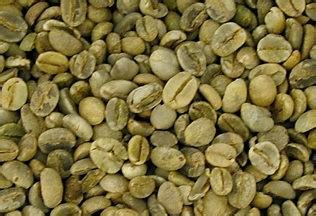
Which countries are mainly exported to the graded production areas of Ethiopian coffee beans
Coffee is Ethiopia's most important export cash crop and the main source of Ethiopia's foreign exchange earnings. Ethiopia's coffee exports account for about 3% of the world market, making it the eighth largest coffee exporter in the world. Coffee exports increased steadily from 58000 tons in 1990 to 110000 tons in 1995-1996 and remained at this level in the following years. 2001-2002
Variety characteristics of Honduran coffee beans what's the flavor of Starbucks Honduran coffee beans?
For more information on coffee beans, please follow the coffee workshop (Wechat official account cafe_style) the history of coffee beans in Honduras. Coffee was not grown in Honduras until the end of the 19th century. Unlike some countries, which are widely planted at home after being introduced from other countries, 90% of them are consumed at home because of the large amount of domestic planting in Honduras.

China's first coffee testing laboratory starts construction
It was learned from Yunnan Pu 'er Entry-Exit Inspection and Quarantine Bureau that the construction of the national key coffee testing laboratory was started in Pu' er City, marking the birth of the only national coffee product professional laboratory in Yunnan Province. Coffee cultivation in Pu 'er City began at the end of the 19th century and began to develop industrially in 1988. In 2015, the coffee planting area of the whole city was 757,000 mu, with 402,300 mu put into production and 39,900 tons of output.

Ethiopian Coffee Bean Flavor Manor introduces Ethiopian Coffee Brands
Sun-cured coffee accounts for 65% of exports. Mainly picked by families, red coffee beans are placed on cement floors or on high tables to dry to about 11.5% humidity, then peeled and cleaned. Coffee grading and quality control system in Ethiopia, coffee grading and quality control system is divided into three levels: producer, regional and national. All coffee goes through before leaving the country of origin.

Introduction to the flavor of Ethiopian Sidamo coffee beans with jasmine and honey flavor
The flavor of water-washed coffee is not easy to have wild flavor, and has the characteristics of purity and freshness, which is suitable for the baking degree from City to Full City. Some Ethiopian water-washed coffee beans with excellent nature can sometimes detect obvious lemon, citrus essential oils, jasmine, honey, etc., with obvious sour taste and mellow feeling.

Unique aromatic Ethiopian Coffee Flavor description Grinding degree Variety characteristics of producing areas
Ethiopia's geographical environment is very suitable for coffee growth. Coffee is mainly grown in the southern highlands between 1100 and 2300 meters above sea level. The main coffee producing areas are Harar, Limu, Djimma, Sidamo, Kaffa, Yergacheffe and Wellega. The soil drainage in these areas is good.

Introduction to the taste description of Ethiopian coffee variety boutique coffee bean manor
Ethiopia's geographical environment is very suitable for coffee growth. Coffee is mainly grown in the southern highlands between 1100 and 2300 meters above sea level. The main coffee producing areas are Harar, Limu, Djimma, Sidamo, Kaffa, Yergacheffe and Wellega. The soil drainage in these areas is good.

Flavor description of Coffee beans with the characteristics of the Lion King in Sidamo A brief introduction to the varieties of taste treatment
Sidamo Lion King characteristic flavor description of coffee beans taste treatment varieties introduce sun-cured coffee accounts for 65% of exports. Mainly picked by families, red coffee beans are placed on cement floors or on high tables to dry to about 11.5% humidity, then peeled and cleaned. Before the decline, coffee exports accounted for more than half of Ethiopia's foreign exchange earnings, but now they account for only about 35%.

Ethiopian Coffee Manor Flavor Description Grindness Taste Characteristics Boutique Coffee Introduction
Ethiopian coffee grade: Ethiopian washed coffee Yirgacheffe G1 G2 Sidamo (Yirgacheffe, Sidamo) the highest grade is second and third grade (G2, G3), the eastern part of Ethiopia sun processing coffee is mostly fourth or fifth grade (G4, G5). In many cases, fourth-grade coffee is labeled as five-grade in order to reduce taxes. The current classification is not very uniform, there are

Construction of China's first key laboratory for coffee testing
According to the Yunnan Pu'er entry-exit Inspection and Quarantine Bureau, the construction of the national key laboratory for coffee testing began in Pu'er City, marking the birth of China's only national professional laboratory for coffee products in Yunnan Province. Coffee cultivation in Pu'er City began at the end of the 19th century, and its industrialization began in 1988. In 2015, the planting area of coffee in Pu'er City was 757000 mu, with an output of 402300 mu and a yield of 39900 tons.

Description of Flavor of Yejiaxuefei Coffee Manor introduction of Grinding scale in producing area
Yega Chuefei Coffee Manor Flavor description Taste Variety characteristics of production area Grinding scale introduction of Ethiopian washed Coffee Yega Chefe G1 G2 Cedamo (Yirgacheffe, Sidamo) the highest grades are Grade 2 and Grade 3 (G2, G3), and most of the sun-processed coffee in eastern Ethiopia are Grade 4 or Grade 5 (G4, G5). In many cases, level 4 coffee is marked as level 5 in order to
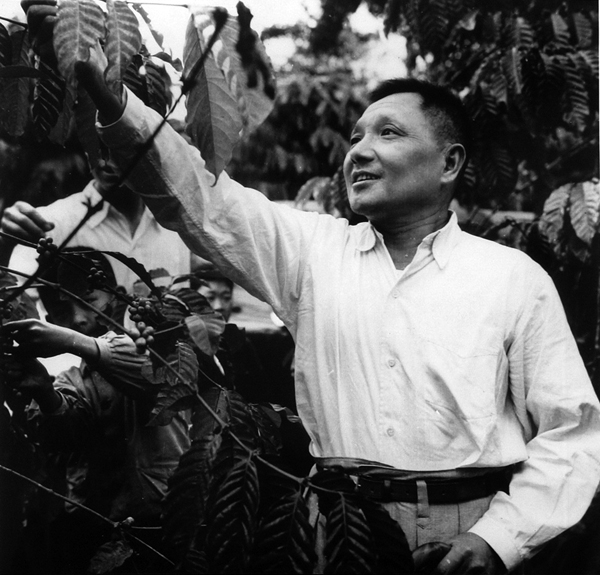
Brand weakening capacity shrinking Xinglong Coffee is in trouble
According to Hainan Daily, reporter Sun Hui used to be a brand that could break a hole even if it was thrown on the ground. The Sun River Coffee Factory, the first coffee processing factory in New China, was born here. After being tasted by many party and state leaders, Premier Zhou Enlai left Xinglong Coffee, a world-class sigh. Xinglong Coffee, once a household name, is the darling of supermarkets and specialty stores. However,